Farmington, Utah – ADU Developments: What Makes Farmington’s Approach Unique
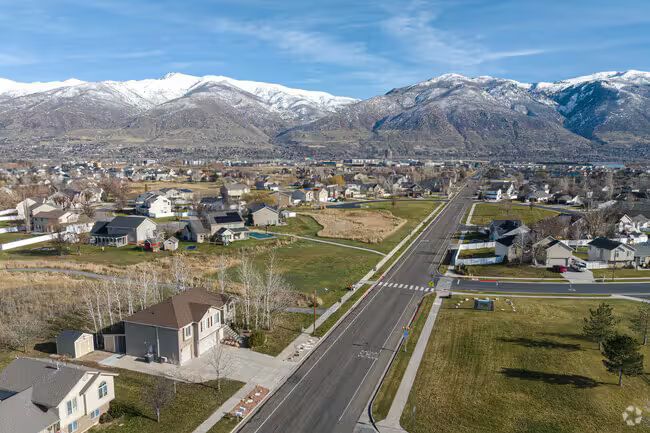
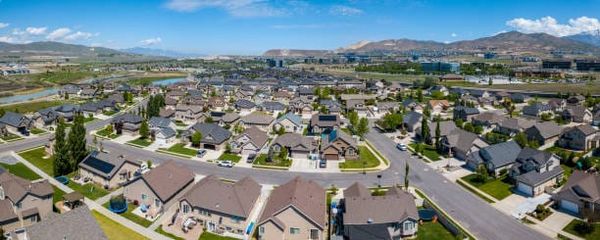
Accessory dwelling units (ADUs) and subordinate single-family dwellings (SSFs) are increasingly recognized as practical ways to expand housing supply while preserving neighborhood character. In Farmington, Utah — like many cities statewide — the housing conversation has shifted toward making gentle infill more predictable and useful for homeowners. What sets Farmington apart is the clarity and flexibility of its ADU and SSF policy framework, outlined in a recently published Farmington ADU + SSF Toolkit - here.
How Farmington Defines ADUs and SSFs
In Farmington’s municipal framework, an ADU is defined as either:
- an Internal Accessory Dwelling Unit (IADU) — an attached unit inside or expanding the footprint of the primary home, and
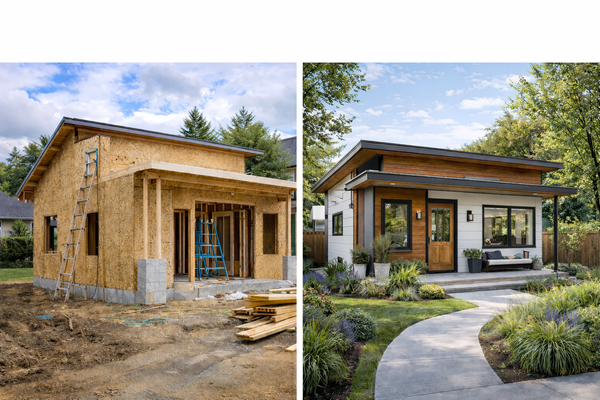
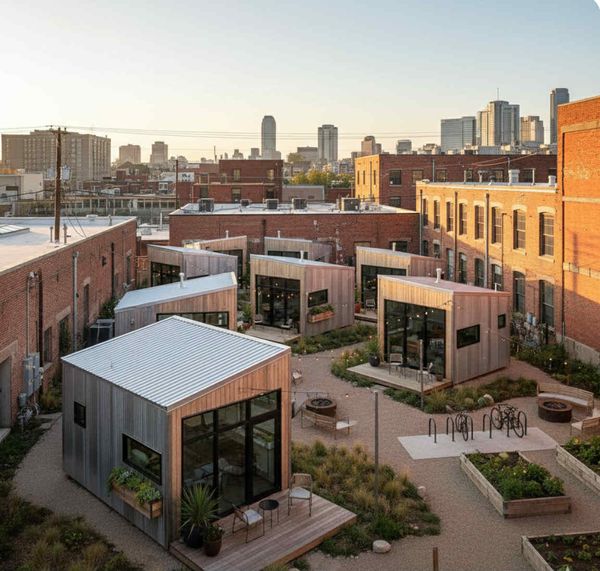
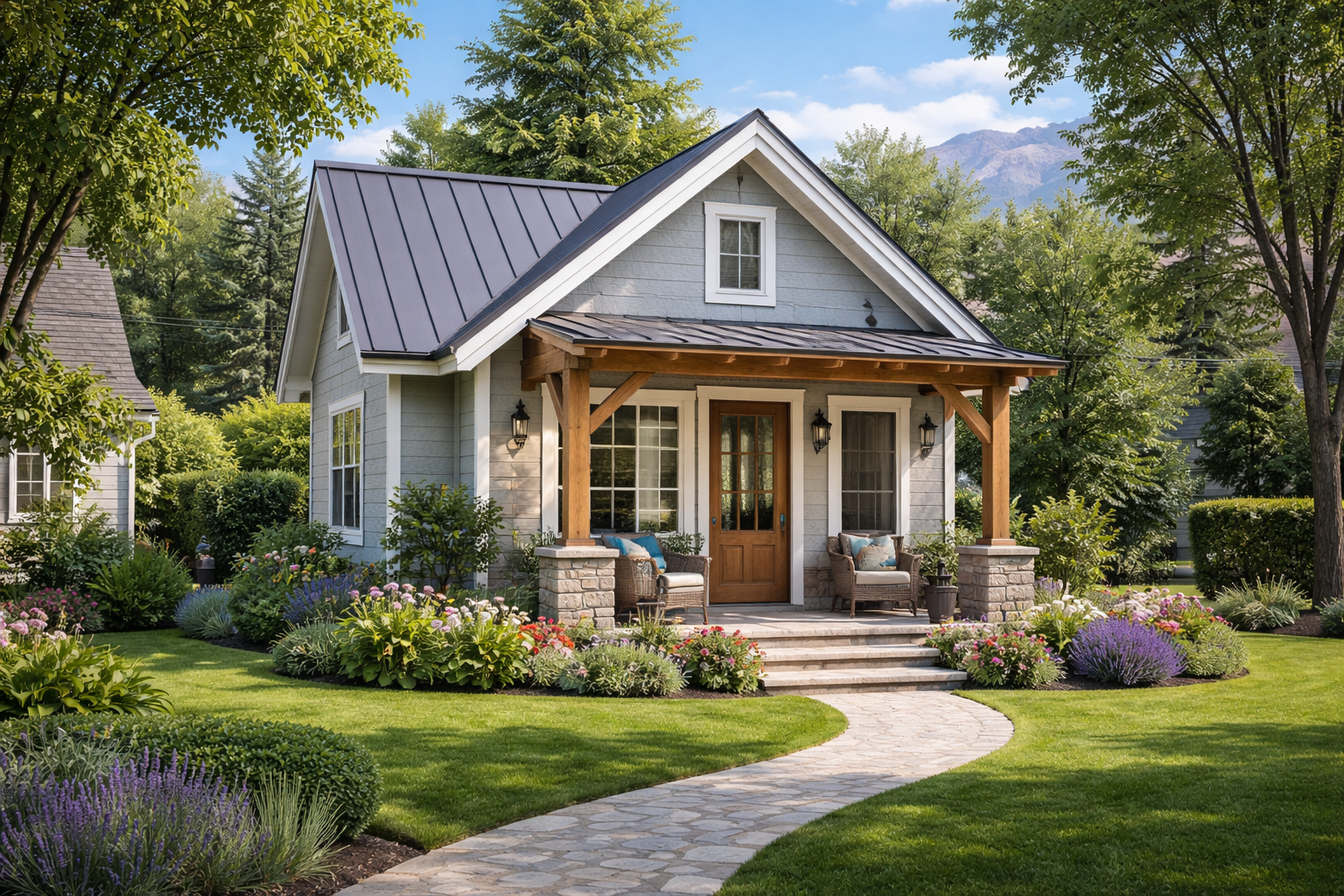
- a Detached Accessory Dwelling Unit (DADU) — a separate structure on the same lot that functions as a dwelling.
- A Subordinate Single-Family Dwelling (SSF) is a special category of a DADU that can be held in separate ownership from the main dwelling, provided both meet specific zoning and lot standards.
This three-tier structure — IADU, DADU, and SSF — gives property owners and potential investors multiple pathways to add housing, whether it’s for family, rental income, or long-term investment.
Where and How ADUs Are Allowed
According to the toolkit, internal ADUs are permitted in all single-family residential zones, agriculture zones, the R-2 zone and original townsite
residential zone within single family dwellings. Detached ADUs and SSFs are also allowed in these areas if the property is at least 10,000 square feet and contains no more than one primary single-family dwelling.
An R-2 zone is a multi-family residential district designed to accommodate both single-family and two-family dwellings, with a maximum of two dwelling units per building. It requires a minimum lot area of 10,000 square feet per lot, along with specific setbacks (30' front/rear, 20' total side)
Key standards for these units include:
- Only one ADU per property is allowed.
- ADUs must be architecturally compatible with the existing home and neighborhood - see here.
- Detached units must comply with all accessory building height and footprint standards of the underlying zone - see here.
- At least one off-street parking stall is required for an ADU in addition to the main home’s parking - see here.
These regulations balance housing flexibility with neighborhood integrity, ensuring that infill doesn’t look out of place or overcrowd a lot.
Approval and Permit Process
Farmington’s toolkit outlines a clear, step-by-step process for adding an ADU or SSF:
- Apply for an ADU permit with the Planning Department using the appropriate application forms.
- Review and approval are handled by the land use authority once all standards and regulations are met.
- ADU permit issuance occurs once the application satisfies zoning and development requirements.
- Required submittal materials for permit:
- Site plan with parking shown
- Floor plans
- Elevations
- Required submittal materials for permit:
- Building permit must be obtained before construction or conversion can begin.
Because ADU construction often involves structural changes, a separate building permit is required for construction, inspections, and certification of occupancy.
What Makes Farmington’s Approach Distinct
Farmington’s toolkit does two things that many other Utah cities don’t clearly provide:
1️⃣ Separate Ownership with SSFs
Most ADU programs allow only accessory units tied to the same owner and parcel as the main home. In Farmington, however, an SSF — a subtype of detached ADU — can be structured in a way that separate ownership is recognized, provided both dwelling units comply with zoning requirements and are part of a defined parcel configuration.
This means that a homeowner could, in the right circumstances, split out a detached ADU as a standalone parcel with its own title, utilities, and potential market value — providing tools not just for housing but for wealth creation and investment diversification.
2️⃣ Clear Eligibility & Lot Size Thresholds
The toolkit spells out the lot size requirements for detached units and SSFs — generally 10,000 square feet or greater — which gives prospective ADU builders a straightforward eligibility test before they start planning.
Why This Matters for Housing Choice
In a region where housing affordability and market flexibility are ongoing concerns, Farmington’s ADU and SSF policy attempts to make thoughtful use of existing single-family neighborhoods. Rather than rezone large areas for denser housing, additional units are embedded within lot standards that respect design compatibility and livability.
For property owners, this means multiple options:
- Add an internal ADU for aging parents or adult children
- Build a detached ADU for rental income
- Consider an SSF structure that could be sold or rented independently.
Each pathway expands the housing stock without fundamentally altering neighborhood character, and the toolkit serves as a practical map for how to get there.
If you’re considering an ADU or small home in Farmington, Build-Small.com can help you move from zoning rules to a real, buildable unit. We design and deliver high-quality ADUs, tiny homes, and backyard cottages built to meet local codes and budgets.
Explore models, pricing, and next steps at Build-Small.com.